
The Real Difference Between Slots, Poker, and Table Games
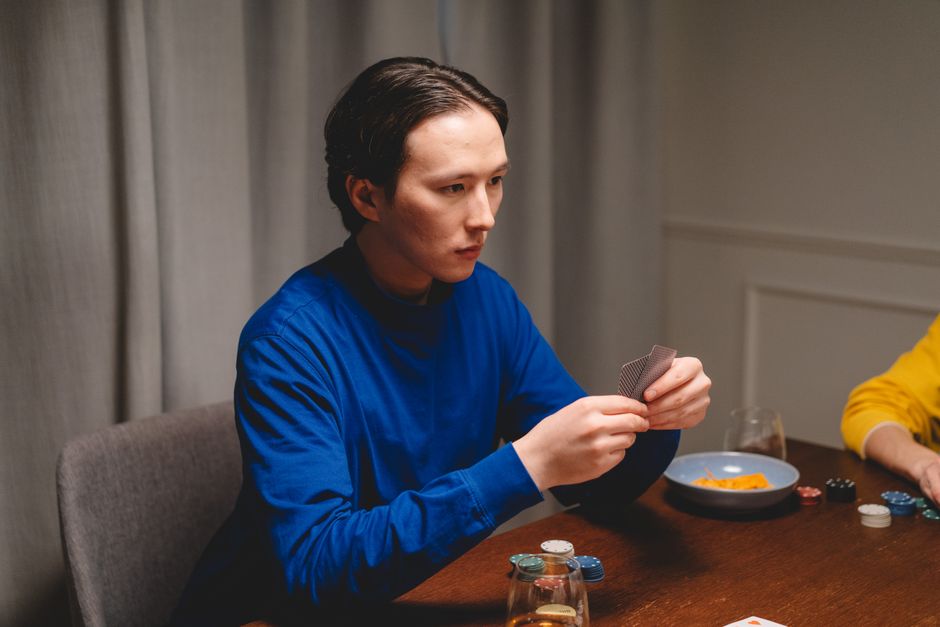
You sit down at a glowing slot machine, tap the spin button, and three cherries line up. Feels like skill, right? Now imagine the same scenario at a poker table: you bluff with 7-2 offsuit and take down a pot. One of those moments is pure luck. The other is calculated deception. If you can't tell which is which, you're not alone—and it's costing you money.
The iGaming world loves to blur the lines between casino games, betting, and poker. Affiliates plaster 'hot slots' next to 'pro poker strategies.' But treating them as interchangeable is a rookie mistake. Each category runs on different math, psychology, and player expectations. Understanding those differences is the first real step from gambler to informed participant.
Slots: The House Edge You Can't Outsmart
Let's kill a myth right now: there is no such thing as a 'hot' or 'cold' slot machine. Every spin on a modern video slot is an independent event, governed by a random number generator (RNG). The machine doesn't remember your last 20 losing spins. It doesn't 'owe' you a jackpot. That's not opinion—it's certified by testing labs like eCOGRA and GLI.
What you can control is volatility and return-to-player (RTP). A low-volatility slot like Starburst (RTP ~96.1%) pays small amounts frequently. High-volatility monsters like Money Train 2 (RTP ~96.4%) can drain 200 spins before a massive hit. Neither is 'better'—they suit different bankrolls and patience levels.
Here's a concrete example. Two players each deposit $100. Player A picks a 96% RTP, medium-volatility slot and bets $0.50 per spin. After 400 spins, they'll likely have around $92 left—the house edge has taken its slow cut. Player B picks a 94% RTP slot with extreme volatility and bets $2 per spin. After 400 spins, they might be broke—or sitting on $500. Same game type, completely different experience.
- Always check the RTP inside the game's help menu, not the marketing page. Anything below 95% is stingy for online slots.
- Volatility matters more than theme. A pretty slot with insane variance will empty your wallet faster than a boring low-volatility grinder.
- Bonus buys are not free money. Buying a free spins round for 100x your bet means you're paying exactly what the math expects—minus the house edge.
Poker: Where Skill Actually Pays the Bills
Poker is the only major iGaming vertical where long-term winners exist. Not 'lucky' winners—skilled ones. The reason is simple: you're playing against other people, not the house. The casino takes a rake (typically 5% of each pot, capped at $3 in most online cash games), but that's a fixed cost, not a probabilistic edge against you.
That distinction changes everything. In slots, the math is unbeatable. In poker, the math is the weapon. A player who understands pot odds, equity, and range construction will beat a recreational player over 100,000 hands. Guaranteed. No RNG can save the fish. Further details are available through soikeonhacai.ae.org.
Take a common spot: you hold A♠ K♠ on a flop of Q♠ 7♠ 2♦. Your opponent bets half the pot. You have two overcards and a flush draw—roughly 46% equity against a pair of queens. The pot odds say call. A slots player might 'feel' the spade coming. A poker player knows the spade is 19.1% to appear on the turn, and acts accordingly.
- Bankroll management is non-negotiable. Never buy into a cash game for more than 5% of your total poker bankroll. For tournaments, keep it under 2%.
- Track every session. Use a free tool like PokerTracker or a simple spreadsheet. If you don't know your win rate per 100 hands, you're guessing.
- Study away from the table. For every hour you play, spend 30 minutes reviewing hand histories. That's where the edge is built.
Betting: The Middle Ground of Edges and Information
Sports betting sits between slots and poker on the skill spectrum. You're not playing against a random number generator—you're betting against a bookmaker's odds, which are set by humans and algorithms. That means edges exist. But they're small and fleeting.
Consider a typical NFL point spread. A sharp bookmaker might offer -110 on both sides, implying a 52.4% break-even rate. If you can consistently predict winners at 55%, you're a long-term winner. But find me a recreational bettor who hits 55% over 1,000 bets. They're rarer than a royal flush.
The real skill in betting isn't picking winners—it's line shopping. That same NFL game might be -110 at one book and -105 at another. Over 500 bets, that 5-cent difference is worth thousands of dollars. Professional bettors spend more time comparing odds than watching film.
- Closing line value (CLV) is the best predictor of long-term success. If you consistently bet before the line moves in your favor, you're doing something right.
- Avoid parlay bets unless you're chasing a lottery ticket. The house edge compounds with every leg. A 4-team parlay at standard odds carries a 12-15% edge for the book.
- Bankroll units are your friend. Bet 1-2% of your roll per game. Never chase losses with a 10-unit bet on a Monday night game.
Why the iGaming Industry Wants You Confused
Here's the uncomfortable truth: the blurring of these categories is profitable. A casino operator makes far more from a slots player than a poker player. So they design lobbies that push you toward the slots. They sponsor poker tournaments to attract high rollers, then cross-sell them into house-edge games. They offer 'free' sports bets that lock you into wagering requirements impossible to clear.
That's not a conspiracy—it's business. But you don't have to play along. Know what you're sitting down for. If you want entertainment and can afford the losses, slots are fine. If you want a mental challenge with a chance of profit, play poker. If you want to test your sports knowledge, bet small and track your CLV.
The Bottom Line: Play with Your Eyes Open
The next time you log into an iGaming site, ask yourself one question before you click: Am I playing a game of chance, a game of skill, or a game of information? Your answer determines everything—how much you deposit, how long you play, and whether you walk away entertained or frustrated.
Slots are the casino's bread and butter because the math never lies: they win, you lose, slowly but surely. Poker is the last refuge of the thinking gambler, where discipline beats luck over time. Betting is a tightrope walk between knowledge and variance. None of them are 'bad'—but treating them as the same is the fastest way to lose your bankroll and your confidence.
So stop chasing 'hot' machines. Stop blaming bad beats in poker when you called a 3-bet with 9-4 offsuit. And stop betting parlays because they look exciting. Play the game you actually understand. The rest is just noise.


Compare flat, pitched and mansard dormers to find a style that adds headroom, light and kerb appeal to your home.
Plan quiet zones, ergonomic seating and tidy cable management to make an attic workspace productive and pleasant throughout the day.
Insulate walls, floors and roof slopes correctly to reduce energy bills and keep your new loft room warm in winter.
Fit corner showers, low-profile sanitaryware and clever mirrors to make a compact attic bathroom feel spacious and practical.